Follow Me On Social Media!
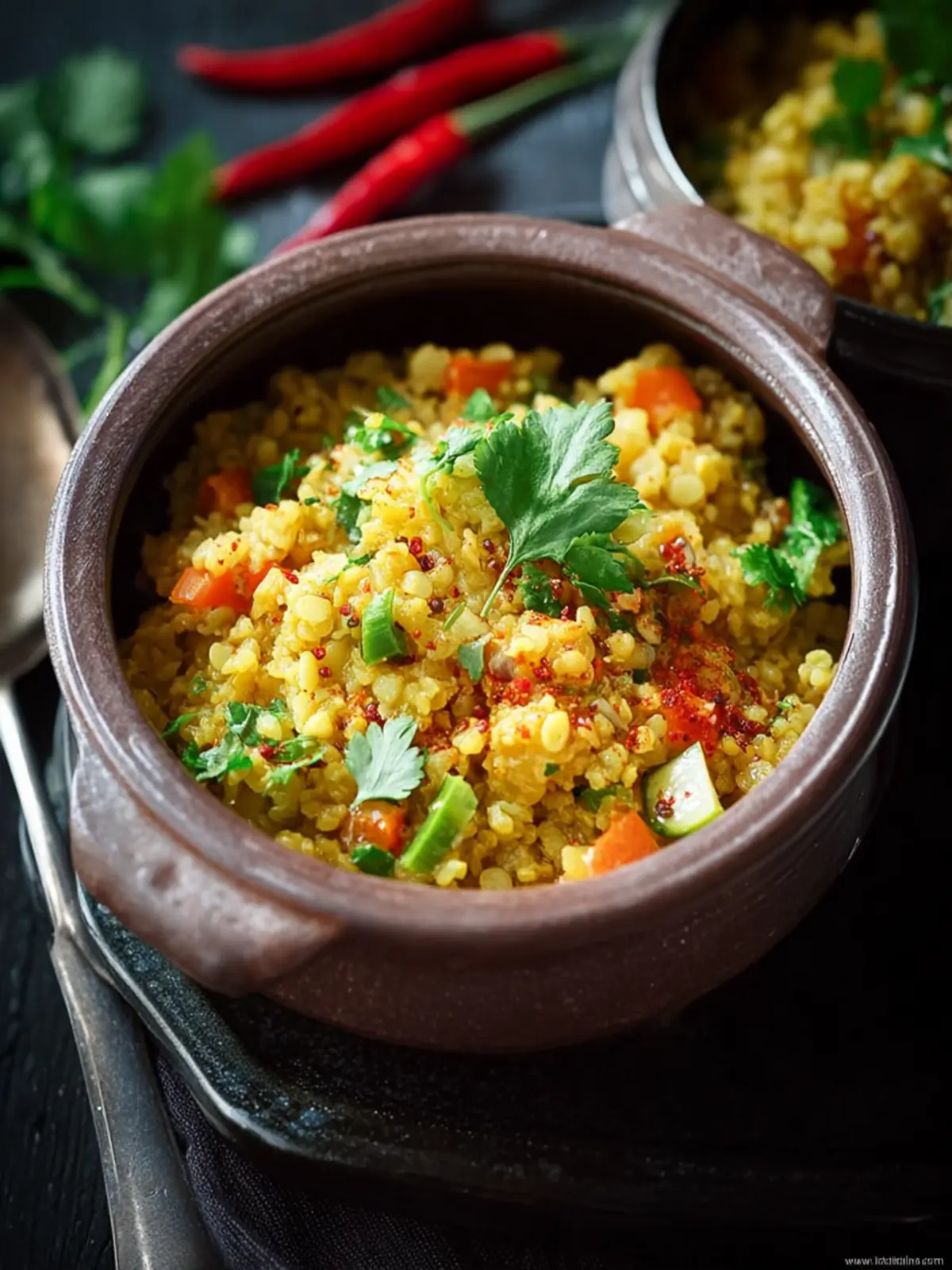
Ayurvedic Khichdi Recipe: The Best Comfort Food You’ll Love

Introduction to Ayurvedic Khichdi Recipe (Kitchari)
Imagine a dish that nourishes not only the body but also the soul — that’s the magic of an Ayurvedic khichdi recipe known as Kitchari. This simple yet profound meal has been a staple in Ayurvedic cooking for centuries, revered for its ability to balance the body’s doshas and promote overall wellness. Whether you’re feeling under the weather or just want a comforting meal, Kitchari provides a soothing embrace, making it an essential addition to your kitchen repertoire.
What is Khichdi and Its Importance in Ayurvedic Cooking?
Khichdi, a harmonious blend of rice and lentils, is often celebrated as the ultimate comfort food in India. What sets it apart in Ayurvedic cooking is its unique ability to adapt to each individual’s constitution. The ingredients can be adjusted based on personal health needs, creating a tailored nutritional experience.
-
Balance: In Ayurveda, balance is key. Khichdi serves as a gentle detox while providing vital nutrients, helping to maintain equilibrium between the three doshas: Vata, Pitta, and Kapha. When you eat it, you are not just filling your belly; you are nurturing your entire system.
-
Digestibility: One of the standout features of Khichdi is its ease of digestion. The combination of rice and lentils offers a complete protein while supporting healthy digestion, making it an ideal meal for anyone experiencing digestive issues.
-
Versatility: With Khichdi, you have the freedom to experiment. Add seasonal vegetables or spices like turmeric and cumin for enhanced flavor and health benefits. This adaptability allows you to get creative while respecting the healing principles of Ayurveda.
In a world where fast food often dominates our diets, taking time to prepare an Ayurvedic khichdi recipe not only fosters a connection with whole foods but also encourages mindfulness in our eating habits. So gather your ingredients, and let’s explore how to make this nourishing dish that has resonated through generations.

Key Ingredients for Ayurvedic Khichdi Recipe
In the realm of soothing comfort food, the Ayurvedic khichdi recipe stands out for its nourishing qualities and delightful simplicity. This warming dish, often enjoyed during detox or healing periods, combines a few select ingredients that work harmoniously together to create a balanced meal.
-
Rice: I prefer basmati rice for its fragrant aroma and slightly nutty flavor. Its lightness makes it easy to digest, perfect for those days when your body craves something gentle yet filling.
-
Lentils: Moong dal, or split yellow lentils, are my go-to for this khichdi. They cook quickly and are packed with protein, aiding in nourishment and energy without the heaviness.
-
Vegetables: Seasonal vegetables like carrots, peas, or spinach add color and nutrients. I like to mix in whatever I have on hand, which enhances the dish’s overall texture and flavor.
-
Spices: A combination of cumin seeds, turmeric, and ginger creates a soothing warmth. Turmeric is especially known for its anti-inflammatory properties, and ginger adds a zing that aids digestion.
-
Ghee: Using ghee instead of oil not only enriches the khichdi but also helps in better nutrient absorption. It lends a beautiful depth of flavor that elevates the dish to a nourishing delight.
By selecting these quality ingredients, the Ayurvedic khichdi recipe transforms into an therapeutic meal that rekindles the spirit and nourishes the body.
Why You’ll Love This Recipe
Creating an Ayurvedic khichdi recipe is like crafting a warm hug in a bowl. Imagine a dish that not only nourishes your body but also brings balance and wellness to your day. This comforting meal is perfect after a long day at work, providing both sustenance and tranquility.
One of the most appealing aspects of this recipe is its simplicity. With minimal preparation and cooking time, you can whip it up in less than 30 minutes. The ingredients are easy to find, and you might already have most of them in your pantry. Using lentils, rice, and a mix of spices, you’ll enjoy a combination of flavors that’s both wholesome and satisfying. Each spoonful is rich with the goodness of protein and fiber—perfect for keeping your energy levels stable throughout the day.
What stands out most is the versatility of this dish. Whether you’re on a vegan diet, gluten-free, or simply looking for a nourishing meal, Ayurvedic khichdi fits effortlessly into your lifestyle. You can customize it with different vegetables or herbs, making it a dish that can evolve with your cravings. You’ll love how this warm, delectable dish not only fills your belly but also calms your mind and spirit.

Cooking Tips and Notes for Ayurvedic Khichdi Recipe
The Ayurvedic Khichdi recipe is more than just a dish; it’s a comforting hug in a bowl. If you’ve ever felt the need for a meal that nourishes both your body and spirit, khichdi is your answer. Here are some insightful tips to make your khichdi preparation seamless and enjoyable.
Use Quality Ingredients
High-quality ingredients can elevate your dish remarkably. Try to source organic basmati rice and split yellow moong dal for the best flavor and texture.
Spice It Right
The beauty of this Ayurvedic Khichdi recipe lies in its spices. Don’t shy away from using a generous pinch of turmeric and cumin seeds. They not only add an incredible aroma but also contribute health benefits.
Cooking Method
Cooking khichdi with the right amount of water is crucial. For a creamy consistency, aim for 2.5 cups of water for every cup of rice and dal mixture. If you prefer a drier texture, you can reduce the water to 2 cups.
Customize Your Veggies
Feel free to infuse your khichdi with seasonal vegetables like carrots, peas, or spinach. They not only enhance the nutrient profile but also create a visual treat.
Rest Before Serving
Let your khichdi sit covered for a few minutes after cooking. This resting period allows the flavors to meld beautifully, giving you that homely taste.
By keeping these tips in mind, your Ayurvedic Khichdi recipe will not just be a meal but a delightful experience that soothes the soul. Happy cooking!
Serving Suggestions for Ayurvedic Khichdi Recipe
Creating a delightful experience around your Ayurvedic Khichdi Recipe goes beyond just the dish itself. Pairing it with the right accompaniments can elevate the flavors and nutritional benefits.
Add Some Crunch
For a delightful contrast in texture, consider serving crispy papadums on the side. They not only add a satisfying crunch but also complement the soft, creamy texture of khichdi.
Fresh Sides
A cooling cucumber salad with a sprinkle of salt and lime juice works wonders. It balances the warmth of khichdi and adds a refreshing zing, making every bite truly enjoyable.
Flavorful Chutneys
Serve your khichdi with vibrant chutneys like mango or mint. These can amplify the dish’s flavors, adding a burst of freshness that pairs beautifully with the earthiness of the lentils and rice.
Herbal Appeal
A sprinkle of fresh cilantro or mint leaves right before serving can enhance the visual appeal and bring an aromatic element that elevates the entire meal.
By thoughtfully choosing your accompaniments, your Ayurvedic Khichdi becomes not just a meal, but an experience that satisfies all the senses.
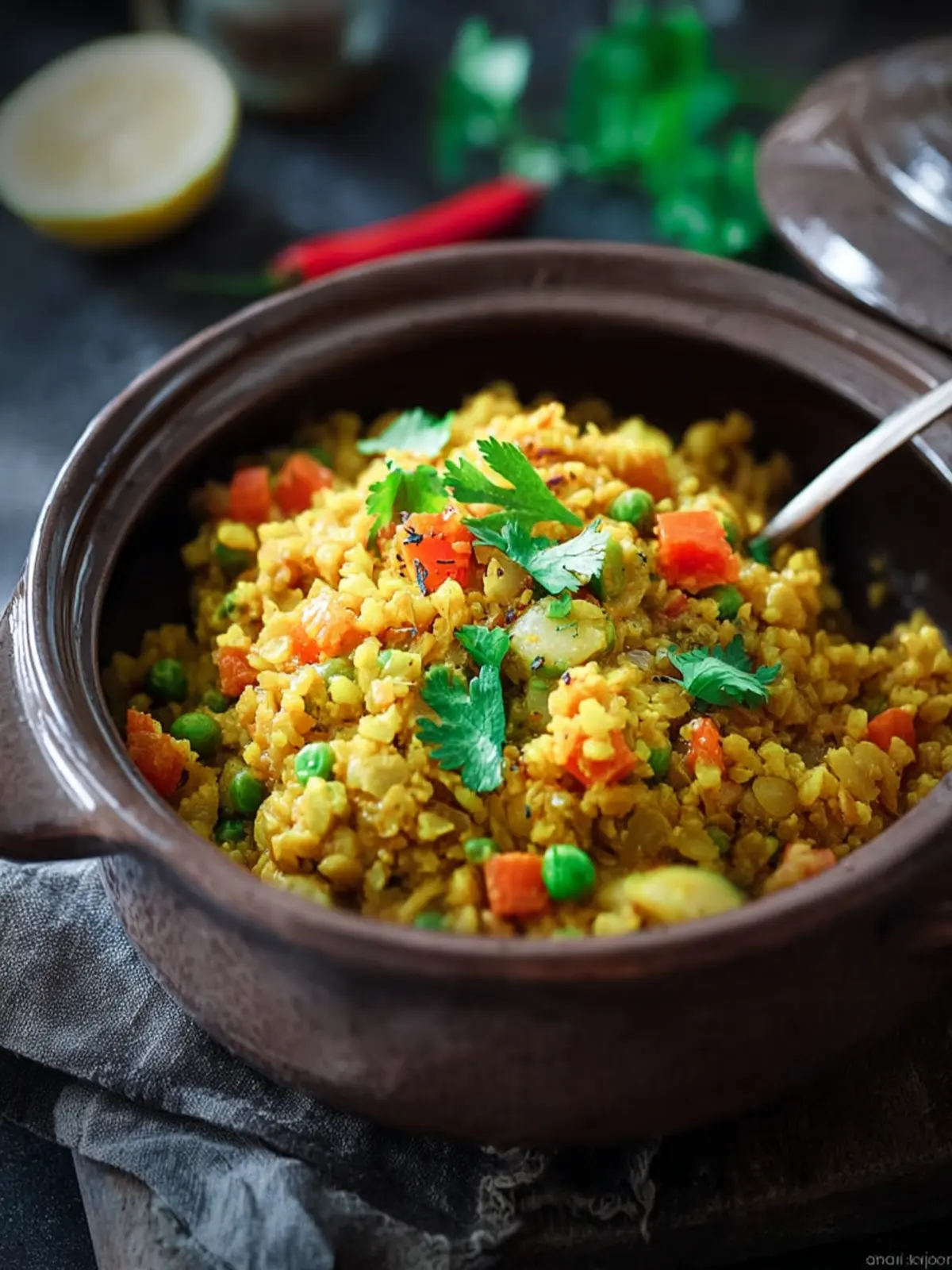
Time Breakdown for Cooking Ayurvedic Khichdi Recipe
Embarking on the journey to create an Ayurvedic khichdi recipe is not just about enjoying a delicious dish; it’s also about nurturing your body and soul. This wholesome comfort food can become part of your routine, and knowing the time commitment can make the process even smoother. Let’s break it down:
Preparation Time
Devoting about 15-20 minutes for preparation is ideal. This includes gathering your ingredients—like the soothing basmati rice and protein-packed lentils—and chopping any necessary veggies or herbs.
Cooking Time
Once you’re ready, cooking takes roughly 30-35 minutes. With all your ingredients simmering together, you’ll enjoy the enticing aromas filling your kitchen.
Total Time
In total, you’re looking at approximately 45-55 minutes from start to finish. This makes Ayurvedic khichdi a fantastic option for a nourishing weeknight meal. Whether it’s for lunch or dinner, the time invested is well worth the comforting flavors and health benefits you reap!
Nutritional Facts for Ayurvedic Khichdi Recipe
When diving into the world of an Ayurvedic Khichdi Recipe, it’s essential to appreciate the nutritious balance it offers. This wholesome dish is more than just tasty; it’s a nourishing blend designed to promote good health.
Calories
One serving of this comforting khichdi packs around 200 calories. It’s a light yet satisfying option that balances energy with digestibility, making it ideal for any time of the day.
Protein
You’ll be pleased to know that each serving provides about 10 grams of protein. The combination of lentils and rice ensures you receive a complete protein source, essential for muscle repair and energy.
Fiber
With approximately 5 grams of fiber per serving, this khichdi not only aids digestion but also helps maintain stable blood sugar levels. The fiber content contributes to a feeling of fullness and supports overall gut health, making it a perfect choice for mindful eating.
Incorporating an Ayurvedic khichdi recipe into your diet can provide both nourishment and comfort, ensuring your body feels balanced and energized.
FAQs about Ayurvedic Khichdi Recipe
When diving into the world of cooking, especially with something as wholesome as an Ayurvedic Khichdi recipe, questions are bound to arise. After all, creating a delicious and nourishing dish doesn’t come without some curiosity about the ingredients and preparation. Here, I’ve compiled some of the most frequently asked questions to help you navigate your journey to perfecting this comforting dish.
Can I use different grains for this recipe?
Absolutely! While the traditional Ayurvedic Khichdi often utilizes a mix of rice and split yellow mung dal, you can experiment with different grains based on your preference or dietary needs. Quinoa, millet, or even brown rice can be wonderful alternatives! Just keep in mind that cooking times may vary, so be sure to adjust the water accordingly.
Is Khichdi suitable for meal prep?
Yes, indeed! Khichdi is not only easy to make, but it also stores well. You can prepare a big batch at the beginning of the week, and it will stay fresh in the fridge for about 4-5 days. It reheats beautifully and can serve as a quick lunch or dinner option when you’re busy. Just add a splash of water while reheating if you like it a bit more soupy.
What are the health benefits of Khichdi?
Khichdi is often referred to as a superfood for a reason. It’s packed with nutrients and has a host of benefits:
- Easily Digestible: Perfect for maintaining gut health.
- Comfort Food: It nourishes both body and mind, making it a soothing option when you’re feeling under the weather.
- Balanced Nutrition: Combine protein from dal with carbs from rice or quinoa for a complete meal.
- Detoxifying: Many recommend it as part of a detox diet due to its purifying properties.
With these FAQs, you’re well on your way to mastering your Ayurvedic Khichdi recipe—a dish that comforts the soul while providing substantial health benefits!
Conclusion on Ayurvedic Khichdi Recipe
The ayurvedic khichdi recipe beautifully combines wholesome ingredients that nourish the body and mind. This dish is more than just food; it’s a warming hug on a chilly evening or a gentle boost on a busy day. By using basics like rice, lentils, and spices, you not only enjoy a delicious meal but also fortify your system in a balanced manner. Plus, it’s incredibly easy to prepare! Give this khichdi a chance to become a part of your regular meal rotation, and savor its benefits over time. Your body, and taste buds, will thank you for it.
Print
Mung Bean and Buckwheat Stew
- Total Time: 50 minutes
- Yield: 4 servings 1x
- Diet: Vegan
Description
A hearty and nutritious mung bean and buckwheat stew flavored with aromatic spices and fresh vegetables.
Ingredients
Scale
- ½ cup diced onion
- 1 ½ tablespoon olive oil or coconut oil
- 1 tablespoon grated ginger
- 1 tablespoon chopped garlic
- 1 tsp whole mustard seeds
- 1 tsp turmeric powder
- ½ tsp cumin seeds or ground cumin powder
- ½ tsp coriander
- ½ tsp garam masala, more to taste
- ¼ –½ teaspoon chili flakes (optional)
- few twists of black pepper
- 1 tsp kosher salt
- ¼ cup dry split mung beans, split lentils (or use whole mung beans or whole lentils- soaked overnight)
- ½ cup buckwheat (kashi) or (soaked, brown basmati rice)
- 1 ½ cup water
- 1 cup veggie broth
- 2–3 cups chopped vegetables (like carrot, parsnips, celery, fennel bulb, cauliflower, broccoli)
- Optional Garnishes: cilantro or Italian parsley, lemon wedge, diced tomato for topping, microgreens, olive oil.
Instructions
- In a medium pot, saute onion in oil over medium high heat for 2-3 minutes.
- Reduce heat to medium add ginger and garlic, and saute a few minutes, until golden and fragrant.
- Add all the spices, pepper, salt and toast for a few more minutes, stirring.
- Add soaked mung beans and buckwheat or soaked brown rice.
- Add water, broth and 2 cups chopped veggies bring to a good boil.
- Cover. Turn heat to low, and let simmer for 20 minutes. Check for doneness.
- Continue cooking for 5 to 10 more minutes if necessary. Some rice takes longer, and if you do not pre-soak your whole mung beans, or brown rice, you will need to add more water, which will change the recipe proportions and flavor…so try to soak if possible.
- Once it is done, taste and adjust salt and seasonings to your liking. If you like a more “porridge-like” consistency, add more veggie broth.
- Spoon into bowls, top with fresh diced tomato, cilantro, and a pinch of salt and pepper, and a squeeze of lemon and a drizzle of olive oil.
Notes
- Soaking mung beans and brown rice can enhance texture and cooking time.
- Adjust spices and salt according to personal taste.
- Prep Time: 15 minutes
- Cook Time: 35 minutes
- Category: Main Course
- Method: Stovetop
- Cuisine: Indian
Nutrition
- Serving Size: 1 bowl
- Calories: 320
- Sugar: 2 g
- Sodium: 400 mg
- Fat: 10 g
- Saturated Fat: 1 g
- Unsaturated Fat: 8 g
- Trans Fat: 0 g
- Carbohydrates: 50 g
- Fiber: 12 g
- Protein: 15 g
- Cholesterol: 0 mg