Follow Me On Social Media!
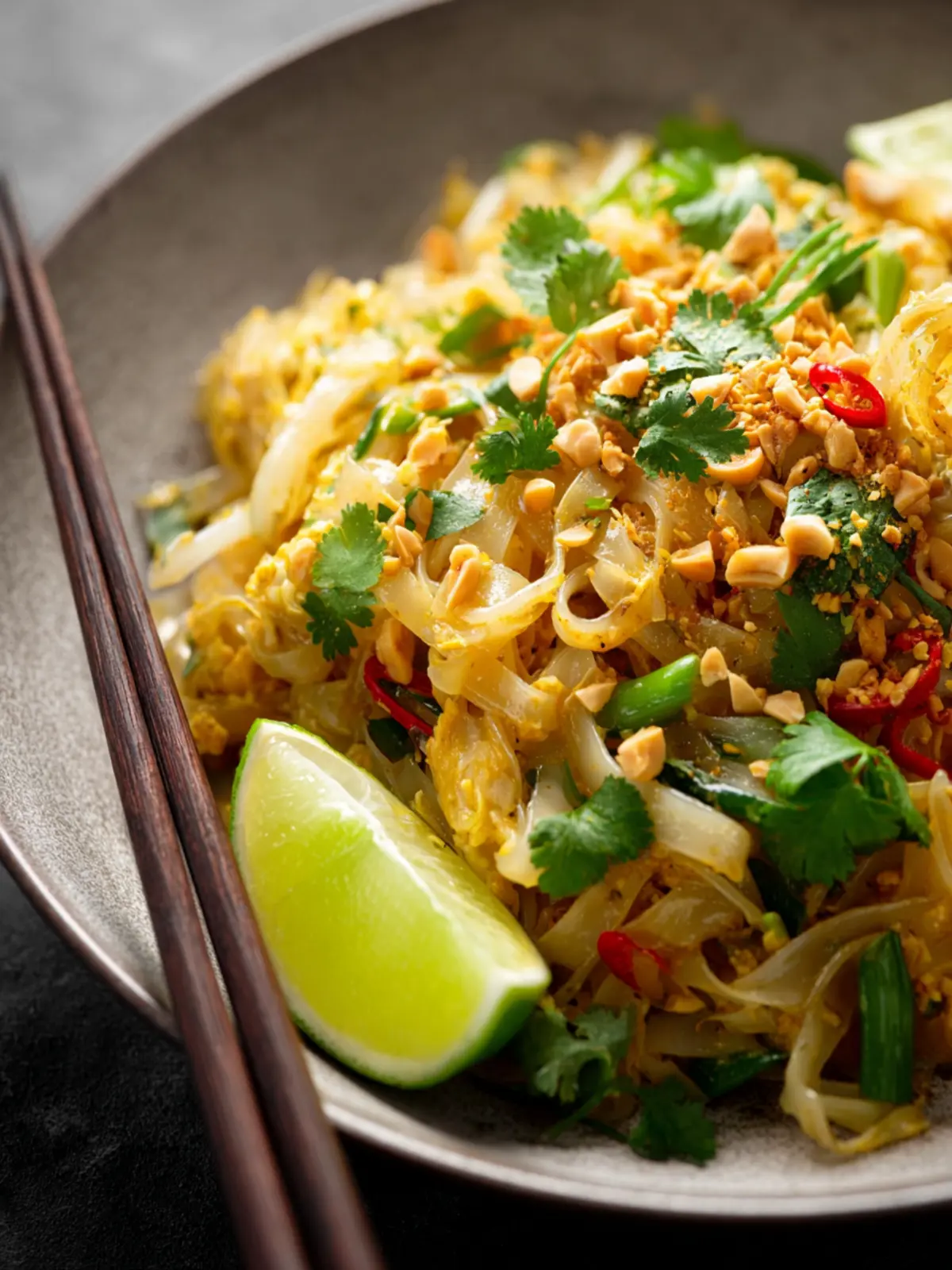
Healthy Pad Thai That Will Change Your Dinner Game Forever

Introduction to Healthy Pad Thai
Healthy Pad Thai is not just another dish on the menu; it’s a vibrant culinary experience that brings the flavors of Thailand right into your kitchen. Imagine being able to enjoy those savory, sweet, and tangy notes traditionally found in Pad Thai, but with a healthier twist that leaves you feeling energized rather than sluggish. It’s a dish that captures the essence of comfort food—inviting, satisfying, and full of personality.
Creating a healthy Pad Thai allows you to embrace the deliciousness of this beloved dish while prioritizing nutrition. With fresh ingredients and mindful choices, you won’t have to compromise on flavor. From the crunch of fresh vegetables to the umami kick from tamarind, each bite tells a story of balance and creativity. Plus, it’s a fantastic way to customize your meal to fit your dietary preferences, whether you’re conscious about calories, gluten-free, or simply looking to up your vegetable intake.
Why is Healthy Pad Thai a delicious alternative to takeout?
Think about how satisfying it feels to sit down to a home-cooked meal that you’ve prepared with care. With healthy Pad Thai, you’re not just choosing a meal; you’re opting for a mini adventure in your kitchen. This dish brings together:
- Fresh ingredients: Using fresh vegetables and proteins, instead of the often oily and processed components found in many takeout options, means you’ll enjoy a meal that’s not only tasty but nutritious as well.
- Customizable flavors: You control the flavors and spices! Want to add more heat with chili flakes? Go for it! Feel like steering it towards lighter notes with extra lime? Absolutely.
- Healthier preparation: By stir-frying your ingredients in a bit of oil and opting for whole ingredients, you maintain all the good stuff while minimizing unnecessary calories.
Indulging in healthy homemade Pad Thai means you’re not just eating a meal—you’re loading your body with vitality. Next, let’s dive into the key ingredients that will help you recreate this delightful dish at home!
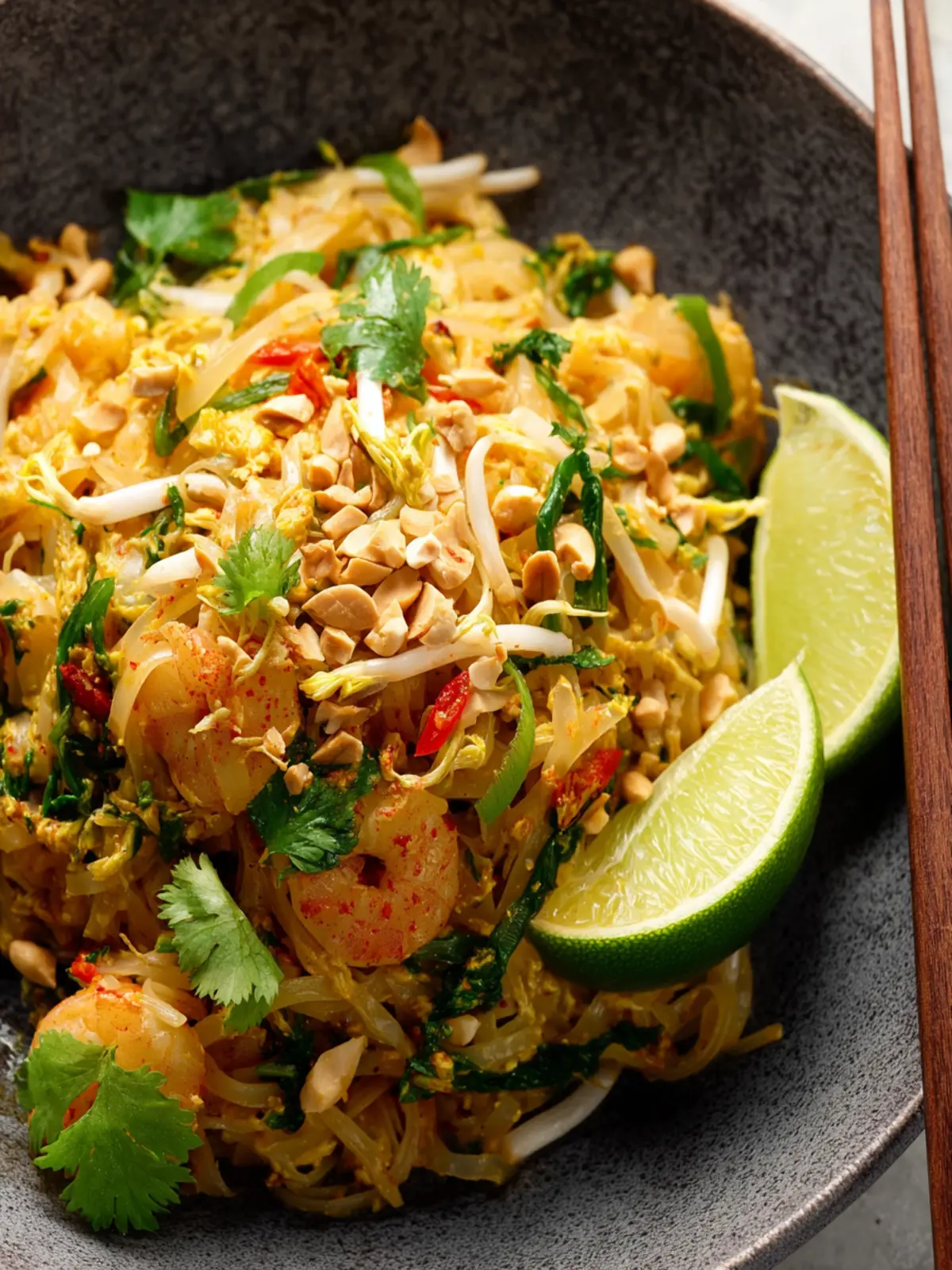
Key Ingredients for Healthy Pad Thai
Rice Noodles
Using rice noodles is essential for an authentic Pad Thai experience. They’re naturally gluten-free and offer a wonderful chewy texture. To enhance the nutritional profile, look for whole grain options or even spiralized vegetables as a fun alternative!
Protein Source
For a healthier twist, I often opt for lean proteins such as chicken or tofu. Chicken breast is lower in fat, while tofu provides a hearty plant-based option packed with protein. Marinating either choice in a blend of soy sauce and lime juice adds delicious flavor while keeping it light.
Vegetables
Incorporating colorful vegetables is key to a vibrant Healthy Pad Thai. Think bell peppers, carrots, and bean sprouts. Not only do they add crunch and freshness, but they also boost the dish’s vitamins and minerals, making each bite nutritious and delightful.
Tofu and Eggs
To add richness to the sauce, I include a mix of scrambled eggs and tofu. This blend elevates your dish’s texture. Plus, eggs contribute protein and healthy fats, making it both filling and nutritious.
Sauce Ingredients
The balance of tamari, lime juice, and a touch of maple syrup creates the iconic Pad Thai flavor. Tamari is a gluten-free soy sauce alternative, which complements the zestiness of lime beautifully. Sweetness from maple syrup makes this dish feel indulgent without the extra calories.
Elevate your meal with these thoughtfully selected ingredients for a truly healthy Pad Thai that nourishes both body and soul.
Why You’ll Love Healthy Pad Thai
Coming home after a long day, the last thing you want is to sacrifice taste for health, right? That’s where healthy pad thai swoops in to save the evening! This dish offers a delightful balance of savory, sweet, and tangy flavors while still keeping your nutritional goals front and center.
Guilt-Free Indulgence
Imagine digging into a bowl of flavorful noodles without the typical weight of post-meal regret. Using whole grain or veggie noodles as a base, this recipe transforms a traditional dish into a nourishing option that aligns with modern eating habits. It’s packed with protein-rich ingredients like tofu or chicken, which help fuel your busy lifestyle.
Quick and Easy Preparation
What makes healthy pad thai even more appealing is its quick preparation time. With just a handful of fresh vegetables, protein options, and simple sauces, you can create a meal that’s not only delicious but also bursting with nutrients. Perfect for those mid-week dinners when you want something fulfilling without spending hours in the kitchen.
Fresh Ingredients Shine
Each ingredient in healthy pad thai plays a crucial role, from crunchy bell peppers to zesty lime juice, making every bite a refreshing experience. When fresh ingredients come together, they do more than just tantalize your taste buds—they nourish your body too.
In essence, healthy pad thai is the perfect blend of convenience, nourishment, and flavor. Once you try it, you’ll wonder how you ever managed without it!
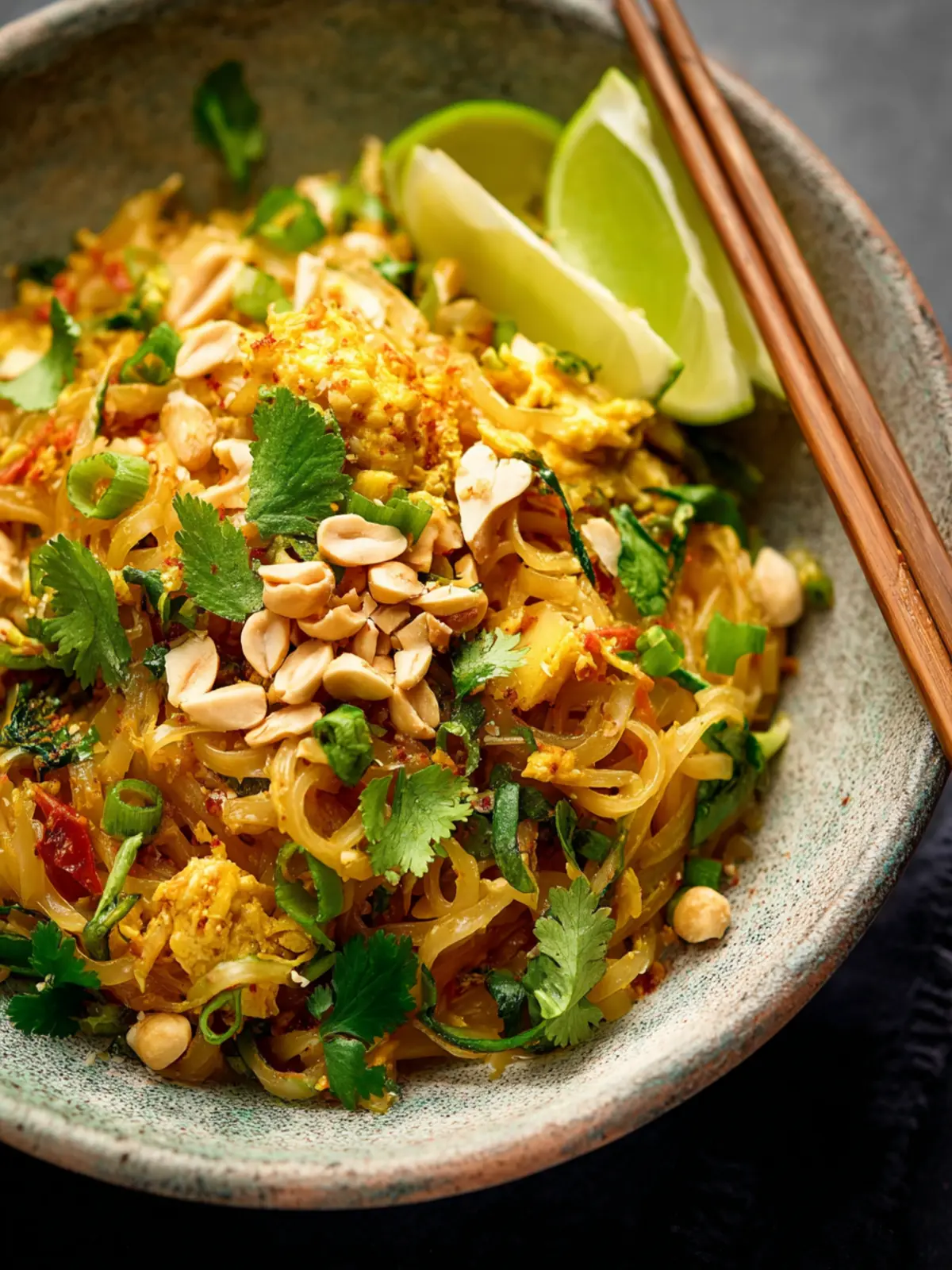
Variations on Healthy Pad Thai
Put a delightful spin on your healthy Pad Thai adventure with these creative variations that cater to all kinds of dietary preferences! Whether you’re a fan of traditional flavors or like to play with new ingredients, there’s something here for everyone.
Protein Alternatives
Swapping proteins can drastically change your dish. Consider trying:
- Tofu: For a plant-based option, firm or extra-firm tofu absorbs flavors beautifully and provides a hearty texture.
- Shrimp: This lean protein offers a seafood twist, elevating the dish with a slightly sweet flavor.
- Chicken: For those who prefer poultry, grilled or sautéed chicken adds a wonderful savory element.
Vegetable Boosters
Vegetables are essential for a healthy Pad Thai, so don’t hesitate to experiment:
- Zucchini Noodles: For a low-carb option, spiralized zucchini is an excellent substitute for traditional rice noodles.
- Bell Peppers: Adding colorful bell peppers can brighten your dish and provide extra crunch.
- Spinach or Kale: Mixing in dark leafy greens enhances the nutritional value and adds vibrant color.
Unique Sauces
Don’t be afraid to tweak the sauce! Some ideas include:
- Peanut Butter: For a nutty twist, a spoonful of natural peanut butter can make your dish creamier and richer.
- Soy Sauce Alternatives: Use coconut aminos for a gluten-free, lower-sodium option that adds depth to your sauce.
With these variations, your healthy Pad Thai can be anything you want it to be, making it a deliciously adaptable recipe that you’ll love revisiting time and again!
Cooking Tips and Notes for Healthy Pad Thai
Creating a delicious and healthy Pad Thai often feels like a balancing act between flavors and nutrition. However, with some thoughtful tweaks and a bit of guidance, this dish can be both satisfying and nourishing.
Choosing the Right Noodles
For a guilt-free twist, consider using brown rice noodles or zucchini noodles. Brown rice noodles provide a more complex carbohydrate option, while zucchini noodles keep the dish light and low-calorie. If you opt for traditional rice noodles, just keep an eye on the portion size!
Fresh Ingredients Make a Difference
When it comes to vegetables, freshness is key. Select vibrant, colorful veggies like bell peppers, snap peas, and carrots. Not only do they enhance the aesthetic appeal of your healthy Pad Thai, but they also boost the nutritional profile—offering vitamins and antioxidants.
Protein Selection
Choosing the right protein can elevate your dish. Feel free to swap traditional chicken or shrimp for tofu, which is not only plant-based but also absorbs the Pad Thai sauce beautifully. If you’re looking for a hearty option, grilled chicken or shrimp add fantastic flavor without excess calories.
Sauce Balance
One of the best parts of Pad Thai is the tangy sauce. Mixing low-sodium soy sauce, fresh lime juice, and a touch of natural sweetener like honey or maple syrup can help you achieve the perfect balance without overpowering the dish’s wholesome ingredients.
By keeping these tips in mind while crafting your healthy Pad Thai, you’ll create a meal that’s not just culinary delight but also a nutritious choice. Happy cooking!
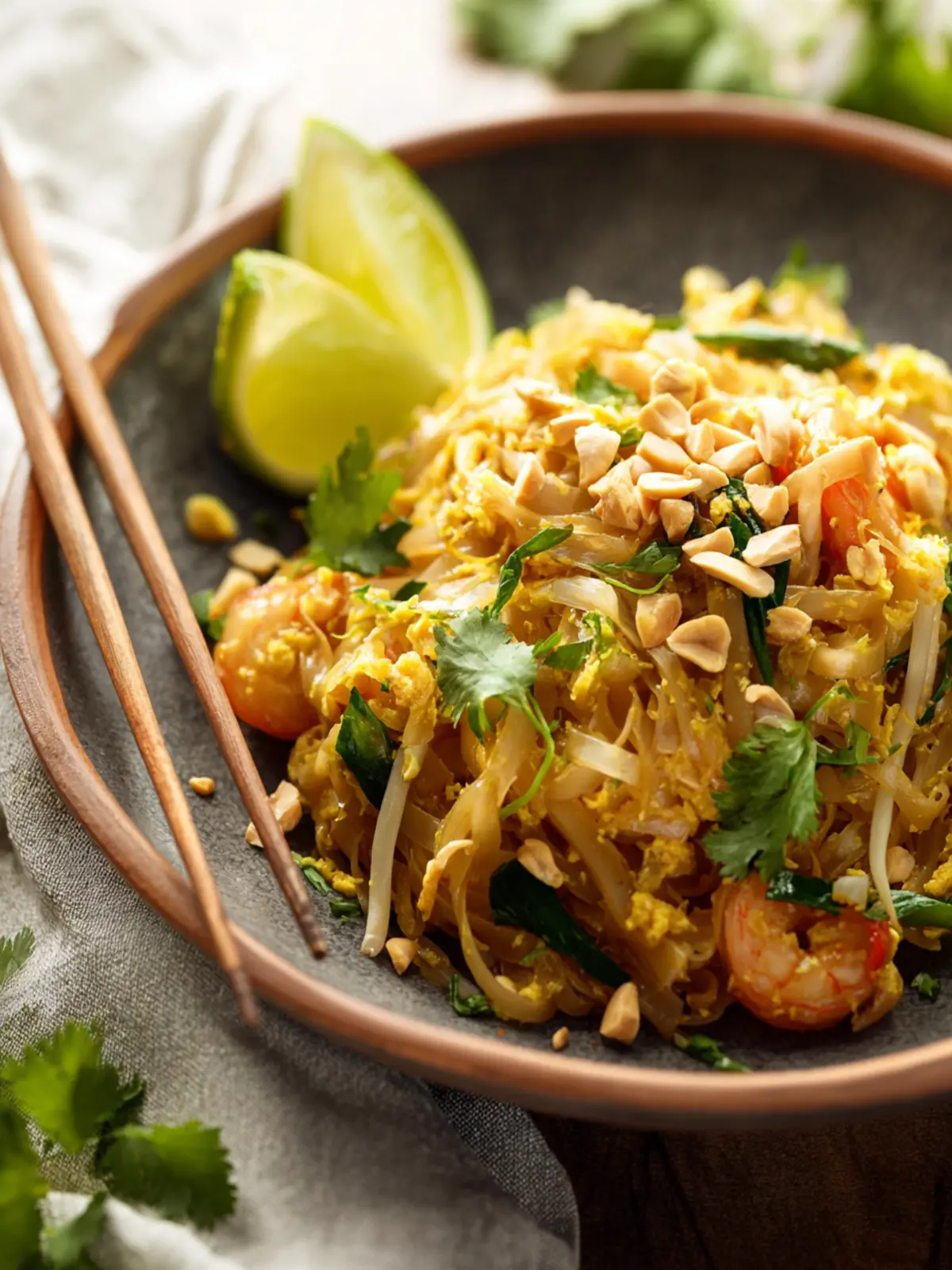
Serving Suggestions for Healthy Pad Thai
When you whip up a batch of healthy Pad Thai, the serving suggestions can elevate your dish from a simple meal to a delightful dining experience. Picture this: you’ve just finished cooking, and the aroma fills the air, tempting everyone’s taste buds. Here are some ways to serve it up right.
Garnish Creatively
A sprinkle of chopped peanuts adds a delightful crunch, while fresh cilantro can introduce an aromatic zing. Don’t forget a wedge of lime on the side; a squeeze of citrus can brighten up the flavors.
Pair It Perfectly
Serve your healthy Pad Thai with a side of crunchy, fresh cucumber salad tossed in rice vinegar. Its coolness offers a refreshing contrast to the heartiness of the dish.
Serve Family Style
Consider presenting the meal in a large bowl at the table, encouraging everyone to help themselves. This not only creates a homey atmosphere but also makes every bite an adventure, inviting conversations around the flavors.
Using these serving suggestions will transform your healthy Pad Thai into a meal to remember!
Time Breakdown for Healthy Pad Thai
Creating a delightful healthy Pad Thai is not only rewarding but also surprisingly quick! Understanding the time you need to allocate can help you fit this delicious meal into your busy schedule.
Preparation Time
For a seamless cooking experience, set aside about 15 minutes for preparation. This allows you to chop the fresh vegetables, measure out sauces, and gather all your ingredients, making the cooking process straightforward and efficient.
Cooking Time
Once everything is prepped, the actual cooking time takes around 10-15 minutes. The beauty of this healthy Pad Thai lies in its quick stir-frying process, which keeps the veggies vibrant and flavorful.
Total Time
In total, you’re looking at about 25-30 minutes from start to finish. This means you can enjoy a homemade dish that’s healthier than your takeout option, all in less than half an hour. Perfect for those weeknights when time is tight!
Nutritional Facts for Healthy Pad Thai
Creating a healthy Pad Thai not only satisfies your taste buds, but also provides essential nutrients. Let’s take a closer look at the nutritional profile.
Calories
This vibrant dish typically contains around 300 to 400 calories per serving, depending on the ingredients you choose. Using lean protein sources, such as chicken or tofu, and plenty of vegetables helps to keep the calorie count in check while maximizing flavors.
Protein
One of the best parts about this healthy Pad Thai is its protein content, which can vary from 15 to 25 grams per serving. Including edamame, shrimp, or chicken boosts the protein content, making it a great option for post-workout meals that help repair and build muscles.
Sodium
Watch your sodium intake! A well-prepared healthy Pad Thai can have approximately 600 to 800 mg of sodium per serving. To make it even healthier, consider using low-sodium soy sauce or tamari to reduce sodium levels while still enjoying the umami flavor that makes this dish so irresistible.
FAQs about Healthy Pad Thai
Exploring the world of Healthy Pad Thai is like embarking on a delicious journey where every bite showcases balance and nourishment. Whether you’re looking to spice up your meals or make them more wholesome, this dish is a wonderful option that allows for versatility in flavors and ingredients. Below are some frequently asked questions about making the healthiest version of this beloved dish.
Can I make Healthy Pad Thai vegetarian?
Absolutely! Transforming your Healthy Pad Thai into a vegetarian delight is simple. Opt for tofu or tempeh as your protein source instead of meat. Both options absorb flavors beautifully and provide a satisfying texture. Additionally, ensure that your sauce is vegetarian-friendly; use tamari or soy sauce and skip any fish sauce if you want to keep it plant-based. Toss in a variety of colorful veggies like bell peppers, snow peas, and bean sprouts to maintain that crunchy, fresh profile.
What protein options can I add to Healthy Pad Thai?
When it comes to proteins for your Healthy Pad Thai, you have plenty of choices! Consider:
- Chicken or shrimp: These are traditional options that cook quickly and pair well with the pad Thai sauce.
- Tofu: A fantastic vegetarian option; opt for firm tofu for the best results.
- Edamame: These little green wonders add a pop of protein and a fun texture.
- Nuts: Peanuts are classic in pad Thai, but feel free to sprinkle in some cashews for a twist.
How can I adjust the spice level in Healthy Pad Thai?
Balancing spice in your Healthy Pad Thai can make or break the dish. Start by controlling the amount of chili flakes or sriracha you add. For a milder version, add just a pinch initially and taste as you go. If you’re up for a challenge, you can always add more! Alternatively, incorporating a dash of coconut milk can help tone down the heat if you’ve added too much spice. Don’t forget that garnishes, like lime wedges, can also help balance flavors just before serving!
Conclusion on Healthy Pad Thai
Creating a delicious and healthy Pad Thai at home doesn’t just nourish your body but also ignites your culinary creativity. This dish offers a vibrant medley of flavors and textures, from the satisfying crunch of vegetables to the savory richness of tamarind sauce. It’s perfect for weeknight dinners or impressing friends during casual gatherings.
As you explore this recipe, remember that customizing your Pad Thai is part of the fun. Feel free to substitute proteins or adjust the spice levels. Overall, cooking healthy doesn’t mean sacrificing flavor. Embrace it, and enjoy the delightful experience of crafting your own healthy Pad Thai.
Print
Cabbage and Egg Stir-Fry
- Total Time: 25 minutes
- Yield: 4 servings 1x
- Diet: Gluten-Free
Description
A quick and delicious stir-fry combining cabbage and eggs with a savory sauce.
Ingredients
Scale
- 1 Tablespoon low-sodium soy sauce or tamari
- 2 Tablespoons fish sauce
- ¼ cup low-sodium chicken broth
- 1 Tablespoon sugar
- 1 ½ teaspoons cornstarch (or arrowroot powder)
- 4 large eggs
- 4 teaspoons olive oil
- 1 jalapeño pepper (ribs and seeds removed, finely chopped)
- 1 small onion (thinly sliced)
- 1 small green bell pepper (thinly sliced)
- 4 garlic cloves (minced)
- 5 cups finely shredded green cabbage (about half a medium head)
- ½ cup packed roughly chopped fresh cilantro or Thai basil
- 2 tablespoons finely chopped dry-roasted unsalted peanuts
Instructions
- In a small bowl, whisk together the soy sauce, fish sauce, broth, sugar, and cornstarch.
- In another small bowl, beat the eggs.
- In a 12-inch nonstick skillet, heat 2 teaspoons of the oil over medium-high heat. Add the jalapeño, onion, and pepper, and cook, stirring frequently, until tender but still crisp, about 5 minutes. Add the garlic and cook, stirring constantly, until fragrant, about 30 seconds. Transfer to a plate.
- Add the remaining 2 teaspoons of oil to the skillet. Add the cabbage and cook, stirring frequently, until tender but still crisp, about 5 minutes.
- Add the eggs, stir into the cabbage, and cook, stirring constantly, until just set, about 2 minutes.
- Add the soy sauce mixture, stir well, and bring the mixture to a boil, and cook until the cabbage is coated in a thick, glossy sauce. Stir in the onions and peppers. Remove the pan from the heat and stir in the fresh cilantro.
- Sprinkle the peanuts over the top and serve.
Notes
- This dish can be served as a main course or a side dish.
- For additional flavor, you can add other vegetables or proteins of choice.
- Prep Time: 10 minutes
- Cook Time: 15 minutes
- Category: Main Dish
- Method: Stir-Fry
- Cuisine: Asian
Nutrition
- Serving Size: 1 cup
- Calories: 250
- Sugar: 2g
- Sodium: 600mg
- Fat: 16g
- Saturated Fat: 2g
- Unsaturated Fat: 12g
- Trans Fat: 0g
- Carbohydrates: 18g
- Fiber: 5g
- Protein: 10g
- Cholesterol: 370mg